Interactive 3D & AR for your field
The same workflow — upload a model, get a viewer with augmented reality and a stable QR code — serves very different work. Pick your field to see how researchers, educators, and curators put it to use.
-
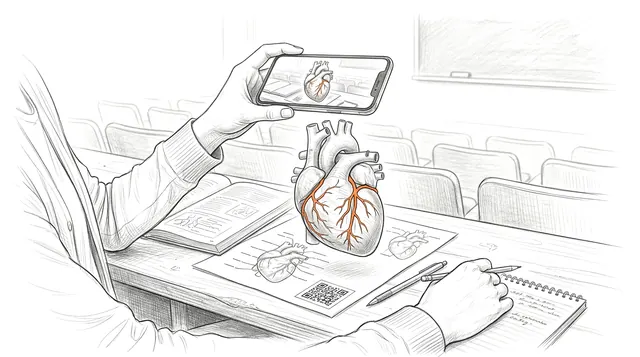
AR for Anatomy
Give students a structure they can rotate in their hand instead of a flat diagram on a slide — straight from a browser or a QR code on a handout.
-

AR for Chemistry
Stereochemistry, binding sites, and crystal packing make sense when you can turn the molecule in your hands instead of squinting at a wedge-and-dash drawing.
-
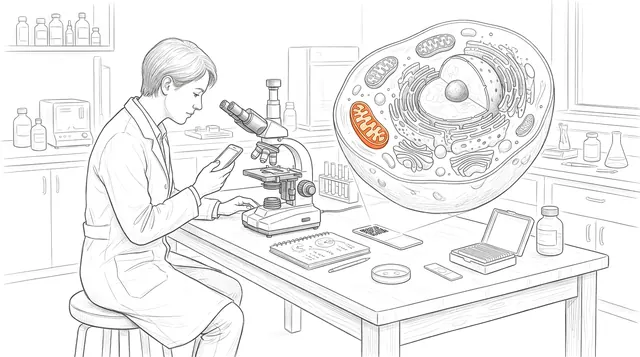
AR for Biology
From a confocal reconstruction to a whole-organism micro-CT scan, let students and reviewers explore the specimen instead of a single chosen camera angle.
-
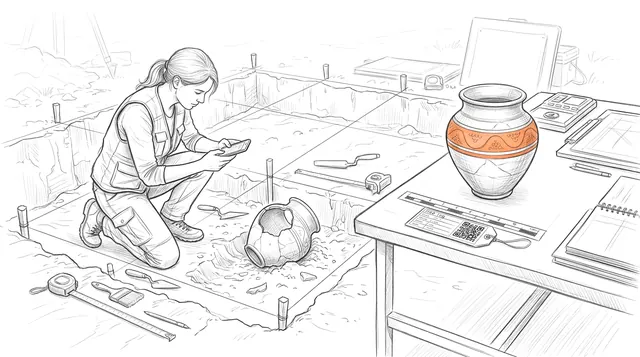
AR for Archaeology
Let readers handle the artifact — rotate a vessel, inspect tool marks, place a reconstruction at full scale — without the object ever leaving the store.
-
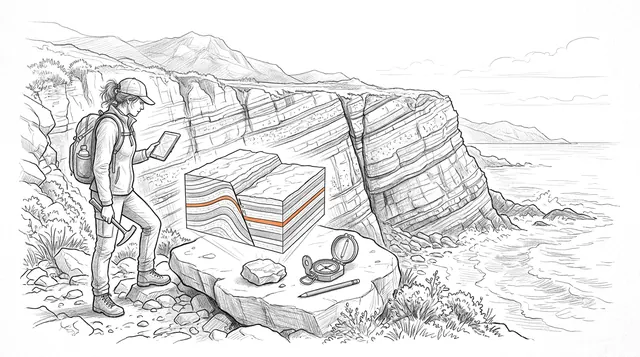
AR for Geology
Bring the outcrop into the classroom — rotate a hand sample, walk around a folded structure, place a core at scale, all from a browser.
-
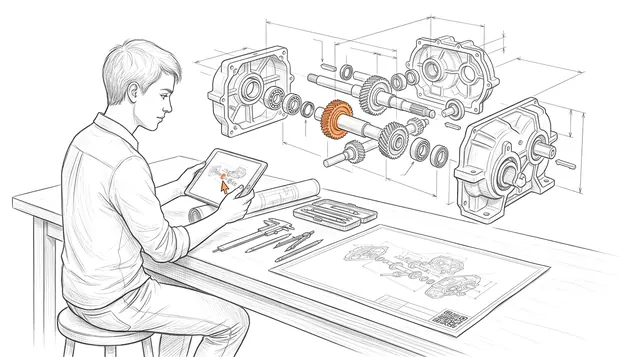
AR for Engineering
Let a reviewer, student, or client turn the part and place the assembly on a real bench — without a CAD license or a heavy file download.
-
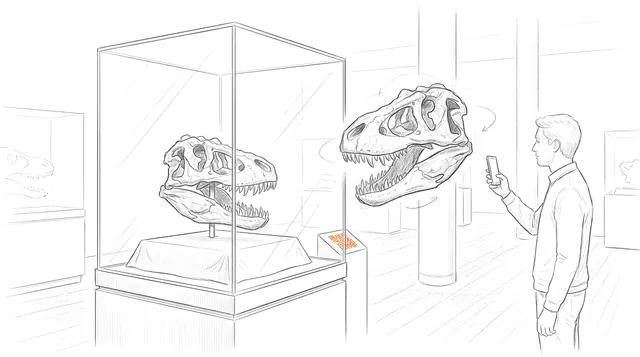
AR for Museums & Heritage
Turn a case full of objects-behind-glass into things visitors can rotate, zoom, and place in the gallery — with nothing but the phone in their pocket.
-
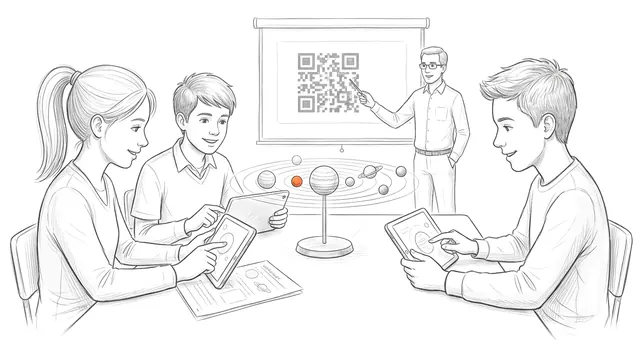
AR for STEM Education
Drop a QR code on a worksheet and a static diagram becomes something every student can rotate, zoom, and stand next to — on the device already in their hand.
Don't see your field?
If your work produces 3D data, AcademicAR can publish it. Create a free account and try it with your own model.